Situations can arise whereby an insurance policy holder is accused of abuse. But policies that stipulate there is no insurance coverage for abuse can still be subject to challenges—and where a child is involved, the stakes are high. The following case was heard in the Wisconsin appeals court that tested the clarity of the abuse exclusion in a home insurance policy.
Read More
Tags:
Business & Legal,
Insurance,
Insurance Claims
For the foreseeable future, the accounting standard setter in the United States, also known as the Financial Accounting Standards Board (FASB), will continue to set generally accepted accounting principles (GAAP) for private companies. The trustees of the Financial Accounting Foundation (FAF), the oversight body of the FASB, recently rejected the concept of establishing a separate accounting board that would prescribe GAAP for private companies, sometimes termed “baby GAAP.” They concluded that the FASB should continue to set GAAP for all companies that report financial results in the United States.
Read More
Tags:
Business & Legal,
SEC,
Accounting & Tax,
AICPA,
US GAAP,
GAAP
Does your organization have a formal workplace violence prevention policy? Requirements that employers protect their employees against workplace violence are expanding throughout North America. For example, public agencies in New York have been required to do so since 2009 (S 6441), and most employers in Ontario have required the same since 2010 (Bill 168), while Manitoba revised longstanding requirements in 2011.
Read More
Tags:
Corporate Governance,
Business & Legal,
Employer Best Practices,
Health & Safety,
Employee Rights,
Workplace violence
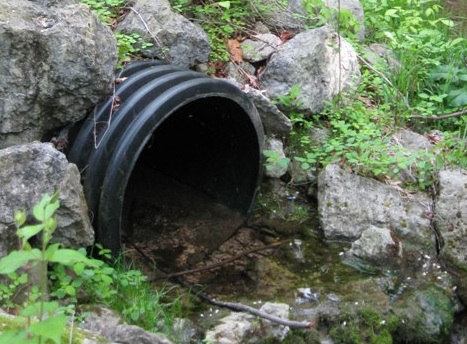
Although federal and California regulations have introduced numeric effluent limits (NELs) for stormwater discharges, technical issues and an adverse regulatory environment have stalled these efforts. Here is a summary of stormwater regulatory history, and the current regulatory atmosphere.
Read More
Tags:
Environmental,
EPA,
effluent,
Stormwater,
STC
Disability insurers are often chastised for not accepting an insured’s disability claim and denying them insurance benefits. At the same time, some individuals attempt to recover from their disability insurer even when they are able to perform the duties of their occupation. And when contracts are written in such a way that even the most erudite advocate cannot determine their meaning unequivocally, it is no wonder so many such cases end up in litigation, as in the following case from Arkansas.
Read More
Tags:
disability claim denied,
Corporate Governance,
Health & Safety,
Insurance Claims,
Disability benefits
For nearly 50 years, Title VII of the Civil Rights Act of 1964 has prohibited “employment” discrimination based on any of several characteristics, including “sex” (gender). In 1964, Congress was essentially concerned with gender-specific jobs, pay discrimination for jobs performed by both genders, and male supervisors abusing their female subordinates by demanding sexual favors, among other abuses.
Read More
Tags:
Corporate Governance,
Business & Legal,
Employer Best Practices,
Employee Rights,
EEOC,
Title VII
The American Institute of Certified Public Accountants (AICPA) is in the final stages of updating its generally accepted auditing standards (GAAS) for financial statement audits of companies in the United States that are not subject to the rules and regulations established by the Public Company Accounting Oversight Board (PCAOB). Several years ago the AICPA decided its auditing standards should be updated to make them clearer, and at the same time strive to conform them to the standards issued by the International Auditing and Assurance Standards Board.
Read More
Tags:
Corporate Governance,
Business & Legal,
Accounting & Tax,
Audit Standards,
AICPA,
Clarity Project,
GAAS
Do You Screen Applicants for Criminal Backgrounds? EEOC explains how to avoid negligence and discrimination when doing background screening. What if one of your employees is caught in criminal activity – white-collar bribery, embezzlement, or worse yet, violent assault or murder? And what if you find out it was a repeat offense—a skeleton that would have popped out of the closet if you’d run a criminal background check prior to hiring? If this ever happened, you would have to deal with the emotional and financial fallout, which could include legal suits against your organization for “negligent hiring." Many employers seek to avoid such nightmares by screening potential employees for criminal backgrounds.
Tags:
background checks,
criminal background checks
On Monday, March 26, 2012, the Occupational Safety and Health Administration (OSHA) promulgated a final rule officially adopting the Globally Harmonized System of Classification and Labeling of Chemicals (GHS) as part of the Hazard Communication Standard [29 CFR 1910.1200]. Employers that make, transport, handle or otherwise use chemicals should start now to prepare for the transition to GHS.
Read More
Tags:
SDS,
Health & Safety,
OSHA,
MSDS,
Webinar
The current rules for lease accounting in the United States go back to 1976 and have been interpreted, modified, amended, and revised numerous times over the years. The existing U.S. accounting standard is complex and, some say, arbitrary because it allows companies to structure transactions to meet the rules of the standard, and helps keep significant liabilities off their balance sheet.
Read More
Tags:
Corporate Governance,
Business & Legal,
Accounting & Tax,
Lease Accounting,
US GAAP