---
title: Audit, Compliance and Risk Blog | STP | OSHA (20)
description: OSHA | STP's blog giving insight into audit, compliance and risk issues for EHS, business and accounting. (20)
---
[](http://www.stpub.com/)
- [My Account](http://stponline.stpub.com)
- 1-800-251-0381
# Audit, Compliance and Risk Blog
## [Are Your Employees Taking Toxics Home After Work?](https://blog.stpub.com/bid/163775/Are-Your-Employees-Taking-Toxics-Home-After-Work)
Posted by [Jon Elliott](https://blog.stpub.com/author/jon-elliott) on Fri, Nov 09, 2012
- [Tweet](https://twitter.com/share)
[ ](https://blog.stpub.com/bid/163775/Are-Your-Employees-Taking-Toxics-Home-After-Work)
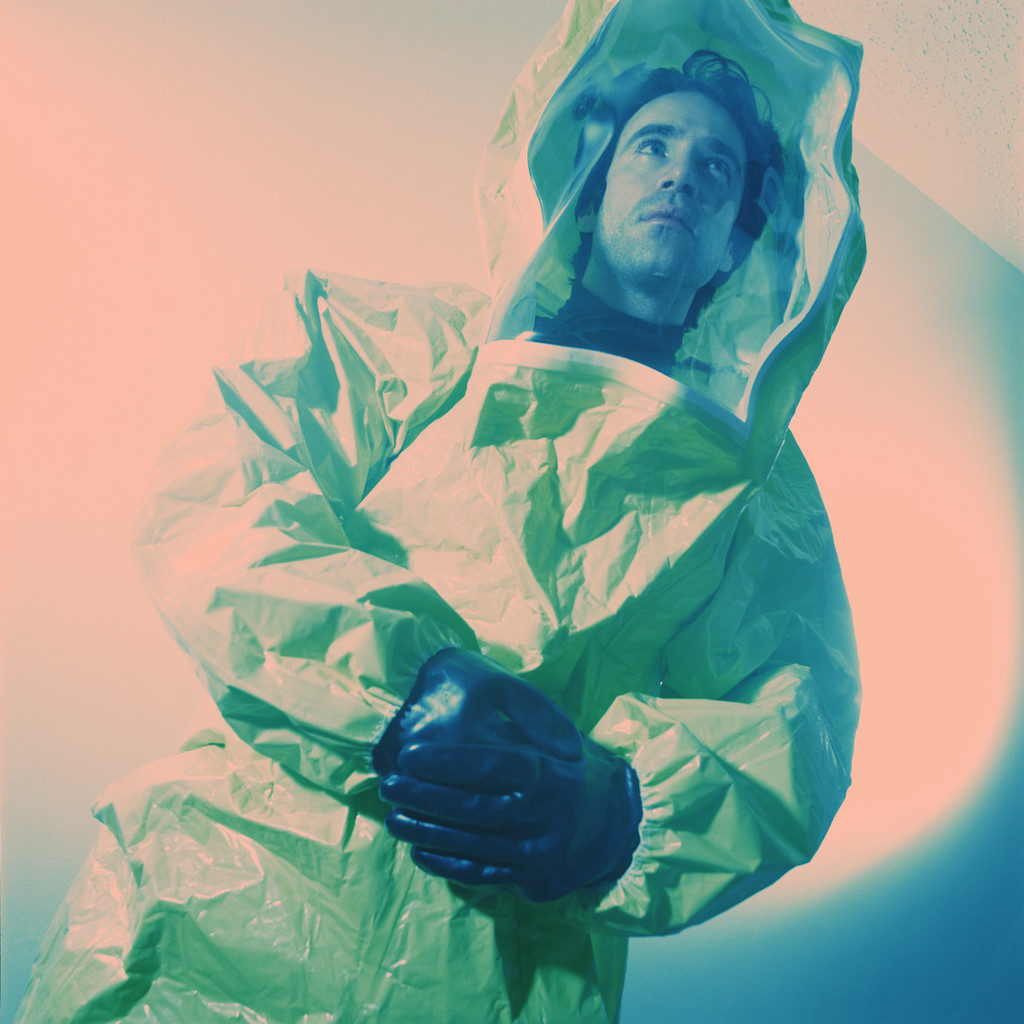
The presence of “**hazardous” materials **in your workplace can trigger a wide variety of [environmental health and safety requirements](http://www.stpub.com/environmental-compliance-a-simplified-national-guide-online) and [hazardous waste regulations](http://www.stpub.com/chemcheck-handbook). The Occupational Safety and Health Administration (OSHA) and state worker protection agencies issue standards to protect workers during occupational handling and storage. The US Environmental Protection Agency (EPA) and state environmental agencies issue requirements governing the management of hazardous wastes, and emissions to a variety of environmental media (air, water and land).
[Read More](https://blog.stpub.com/bid/163775/Are-Your-Employees-Taking-Toxics-Home-After-Work)
0 Comments [Click here to read/write comments](https://blog.stpub.com/bid/163775/Are-Your-Employees-Taking-Toxics-Home-After-Work#comments-listing)
Tags: [Employer Best Practices](https://blog.stpub.com/topic/employer-best-practices), [Health & Safety](https://blog.stpub.com/topic/health-safety), [OSHA](https://blog.stpub.com/topic/osha), [Employee Rights](https://blog.stpub.com/topic/employee-rights), [Environmental risks](https://blog.stpub.com/topic/environmental-risks), [Environmental](https://blog.stpub.com/topic/environmental), [EPA](https://blog.stpub.com/topic/epa), [Hazcom](https://blog.stpub.com/topic/hazcom)
## [OSHA "Severe Violators": A Release from Enhanced Enforcement](https://blog.stpub.com/bid/158723/OSHA-Severe-Violators-A-Release-from-Enhanced-Enforcement)
Posted by [Jon Elliott](https://blog.stpub.com/author/jon-elliott) on Tue, Sep 25, 2012
- [Tweet](https://twitter.com/share)
[ ](https://blog.stpub.com/bid/158723/OSHA-Severe-Violators-A-Release-from-Enhanced-Enforcement)
The Occupational Safety and Health Administration (OSHA) establishes [national standards](http://www.stpub.com/publications/health-safety/health-safety-og) that employers must meet in order to protect workers. Employers who fail to meet OSHA [audit and compliance](http://www.stpub.com/publications/health-safety/health-safety-of) requirements are subject to enforcement actions by OSHA or delegated state agencies. Employers who perform the worst can be subject to OSHA’s Severe Violator Enforcement Program (SVEP), established in 2010 as the latest in a series of enhanced enforcement programs for those employers that OSHA considers the most dangerous and/or recalcitrant. SVEP has always offered the possibility that an employer can demonstrate its rehabilitation and exit the program, and just last month OSHA finally published clear guidelines for doing so.
[Read More](https://blog.stpub.com/bid/158723/OSHA-Severe-Violators-A-Release-from-Enhanced-Enforcement)
0 Comments [Click here to read/write comments](https://blog.stpub.com/bid/158723/OSHA-Severe-Violators-A-Release-from-Enhanced-Enforcement#comments-listing)
Tags: [Employer Best Practices](https://blog.stpub.com/topic/employer-best-practices), [Health & Safety](https://blog.stpub.com/topic/health-safety), [OSHA](https://blog.stpub.com/topic/osha), [Environmental risks](https://blog.stpub.com/topic/environmental-risks)
## [When RCRA Environmental Compliance Deters Innovative Waste Management Technologies](https://blog.stpub.com/bid/156995/When-RCRA-Environmental-Compliance-Deters-Innovative-Waste-Management-Technologies)
Posted by [Jon Elliott](https://blog.stpub.com/author/jon-elliott) on Fri, Sep 14, 2012
- [Tweet](https://twitter.com/share)
[ ](https://blog.stpub.com/bid/156995/When-RCRA-Environmental-Compliance-Deters-Innovative-Waste-Management-Technologies)
[Environmental compliance](http://www.stpub.com/publications/environmental/environmental-nec) can be a complex business. In fact, in certain situations, the Resource Conservation and Recovery Act (RCRA), and other legislation, may actually deter use of innovative waste management technologies and best practices. Here are three questions to ask about your organization:
[Read More](https://blog.stpub.com/bid/156995/When-RCRA-Environmental-Compliance-Deters-Innovative-Waste-Management-Technologies)
0 Comments [Click here to read/write comments](https://blog.stpub.com/bid/156995/When-RCRA-Environmental-Compliance-Deters-Innovative-Waste-Management-Technologies#comments-listing)
Tags: [OSHA](https://blog.stpub.com/topic/osha), [Environmental risks](https://blog.stpub.com/topic/environmental-risks), [Environmental](https://blog.stpub.com/topic/environmental), [EPA](https://blog.stpub.com/topic/epa), [fracking](https://blog.stpub.com/topic/fracking)
## [MAP-21 Impacts on Current Federal Motor Carrier Safety Regulations](https://blog.stpub.com/bid/155316/MAP-21-Impacts-on-Current-Federal-Motor-Carrier-Safety-Regulations)
Posted by [Russ Boesch](https://blog.stpub.com/author/russ-boesch) on Wed, Sep 05, 2012
- [Tweet](https://twitter.com/share)
[ ](https://blog.stpub.com/bid/155316/MAP-21-Impacts-on-Current-Federal-Motor-Carrier-Safety-Regulations)
******On July 6, 2012, President Obama signed into law the “Moving Ahead for Progress in the 21st Century Act (MAP-21)”.The 584-page legislation revises and adds many sections to the U.S. Code, intending to “create a streamlined, performance-based, and multi-modal program to address the many challenges faced by the US transportation system, including improving safety, maintaining infrastructure condition, reducing traffic congestion, improving efficiency of the system and freight movement, and protecting the environment” (USDOT, Federal Highway Administration).
[Read More](https://blog.stpub.com/bid/155316/MAP-21-Impacts-on-Current-Federal-Motor-Carrier-Safety-Regulations)
0 Comments [Click here to read/write comments](https://blog.stpub.com/bid/155316/MAP-21-Impacts-on-Current-Federal-Motor-Carrier-Safety-Regulations#comments-listing)
Tags: [Health & Safety](https://blog.stpub.com/topic/health-safety), [OSHA](https://blog.stpub.com/topic/osha), [Environmental risks](https://blog.stpub.com/topic/environmental-risks), [Environmental](https://blog.stpub.com/topic/environmental), [EHS](https://blog.stpub.com/topic/ehs), [EPA](https://blog.stpub.com/topic/epa), [Hazcom](https://blog.stpub.com/topic/hazcom), [EEOC](https://blog.stpub.com/topic/eeoc)
## [OSH Act Demands Employers Provide Safe Workplace](https://blog.stpub.com/bid/153392/OSH-Act-Demands-Employers-Provide-Safe-Workplace)
Posted by [Jon Elliott](https://blog.stpub.com/author/jon-elliott) on Thu, Aug 16, 2012
- [Tweet](https://twitter.com/share)
[ ](https://blog.stpub.com/bid/153392/OSH-Act-Demands-Employers-Provide-Safe-Workplace)
The federal Occupational Safety and Health Act provides employers with a "General Duty" to provide their employees with “safe and healthful working conditions, in workplaces free of recognized hazards” which comply with OSHA standards for general industry.
[Read More](https://blog.stpub.com/bid/153392/OSH-Act-Demands-Employers-Provide-Safe-Workplace)
0 Comments [Click here to read/write comments](https://blog.stpub.com/bid/153392/OSH-Act-Demands-Employers-Provide-Safe-Workplace#comments-listing)
Tags: [Health & Safety](https://blog.stpub.com/topic/health-safety), [OSHA](https://blog.stpub.com/topic/osha)
## [Free Education Webinar Series: Electrical Safety OSHA](https://blog.stpub.com/bid/152917/Free-Education-Webinar-Series-Electrical-Safety-OSHA)
Posted by [Melanie Powers](https://blog.stpub.com/author/melanie-powers) on Tue, Aug 14, 2012
- [Tweet](https://twitter.com/share)
[ ](https://blog.stpub.com/bid/152917/Free-Education-Webinar-Series-Electrical-Safety-OSHA)
## **Electrical Safety OSHA: Principles and Hazard Controls**
### FREE! Education Webinar from STC | August 23, 2012
In 2010, 164 workers died after contact with electrical current in U.S. private industry. That amounts to an average of more than 3 deaths per week. In this free education Webinar, our presenter, Barbara Ruble, CPEA, QEP, will discuss the legal requirements related to electrical safety, how to identify electrical hazards, and suggestions for establishing and implementing controls to protect employees, as well as minimize the opportunity for business interruption.
[Read More](https://blog.stpub.com/bid/152917/Free-Education-Webinar-Series-Electrical-Safety-OSHA)
0 Comments [Click here to read/write comments](https://blog.stpub.com/bid/152917/Free-Education-Webinar-Series-Electrical-Safety-OSHA#comments-listing)
Tags: [Health & Safety](https://blog.stpub.com/topic/health-safety), [OSHA](https://blog.stpub.com/topic/osha), [STP Online](https://blog.stpub.com/topic/stp-online), [STC](https://blog.stpub.com/topic/stc), [Webinar](https://blog.stpub.com/topic/webinar)
## [Workplace Violence Prevention in Health Care Settings](https://blog.stpub.com/bid/151884/Workplace-Violence-Prevention-in-Health-Care-Settings)
Posted by [Ellen Baragon](https://blog.stpub.com/author/ellen-baragon) on Tue, Aug 07, 2012
- [Tweet](https://twitter.com/share)
[ ](https://blog.stpub.com/bid/151884/Workplace-Violence-Prevention-in-Health-Care-Settings)
A recent news headline told the story of two nurses who were involved in a scuffle with the father of a newborn inside a New York hospital--apparently, the father was a high profile member of the Kennedy family. The conflict was triggered when he began to carry his infant son out of the hospital without the usual authorized procedures--at which point one of the nurses attempted to block him from leaving.
[Read More](https://blog.stpub.com/bid/151884/Workplace-Violence-Prevention-in-Health-Care-Settings)
0 Comments [Click here to read/write comments](https://blog.stpub.com/bid/151884/Workplace-Violence-Prevention-in-Health-Care-Settings#comments-listing)
Tags: [Health & Safety](https://blog.stpub.com/topic/health-safety), [OSHA](https://blog.stpub.com/topic/osha), [Workplace violence](https://blog.stpub.com/topic/workplace-violence)
## [STC Webinar | Are You Ready for GHS?](https://blog.stpub.com/bid/138689/STC-Webinar-Are-You-Ready-for-GHS)
Posted by [Martin Bermudez](https://blog.stpub.com/author/martin-bermudez) on Thu, May 10, 2012
- [Tweet](https://twitter.com/share)
[ ](https://blog.stpub.com/bid/138689/STC-Webinar-Are-You-Ready-for-GHS)
On Monday, March 26, 2012, the Occupational Safety and Health Administration (OSHA) promulgated a final rule officially adopting the Globally Harmonized System of Classification and Labeling of Chemicals (GHS) as part of the Hazard Communication Standard [29 CFR 1910.1200]. Employers that make, transport, handle or otherwise use chemicals should start now to prepare for the transition to GHS.
[Read More](https://blog.stpub.com/bid/138689/STC-Webinar-Are-You-Ready-for-GHS)
0 Comments [Click here to read/write comments](https://blog.stpub.com/bid/138689/STC-Webinar-Are-You-Ready-for-GHS#comments-listing)
Tags: [SDS](https://blog.stpub.com/topic/sds), [Health & Safety](https://blog.stpub.com/topic/health-safety), [OSHA](https://blog.stpub.com/topic/osha), [MSDS](https://blog.stpub.com/topic/msds), [Webinar](https://blog.stpub.com/topic/webinar)
## [NEW: OSHA Hazcom Explained](https://blog.stpub.com/bid/135661/NEW-OSHA-Hazcom-Explained)
Posted by [Jon Elliott](https://blog.stpub.com/author/jon-elliott) on Tue, Apr 24, 2012
- [Tweet](https://twitter.com/share)
[ ](https://blog.stpub.com/bid/135661/NEW-OSHA-Hazcom-Explained)
### **OSHA’s New Hazcom Explained**
### **Everything you think you know about **
### **about hazardous chemicals is about to change **
Since the 1980s, most employers throughout the U.S. and Canada have been required to protect workers from workplace chemical hazards, and to train workers to protect themselves. The cornerstones of these programs have been manufacturer-supplied summaries called **Material Safety Data Sheets (MSDSs)**. Sad to say, but sometimes they’re wobbly cornerstones, because they start with hazard information developed by company scientists for agency scientists, and may or may not extend that information into practical hands-on guidance for employers and workers. They also vary in detail, because the Occupational Safety and Health Administration (OSHA) provides guidance for appropriate topics but no requirements that the content be practical. While some MSDSs are fine, we’ve all grumbled about others that report clinical results of the lethal dose of constituent chemicals to half the test population (LD50), but then recommend no more than "use appropriate personal protective equipment."
[Read More](https://blog.stpub.com/bid/135661/NEW-OSHA-Hazcom-Explained)
1 Comment [Click here to read/write comments](https://blog.stpub.com/bid/135661/NEW-OSHA-Hazcom-Explained#comments-listing)
Tags: [SDS](https://blog.stpub.com/topic/sds), [Health & Safety](https://blog.stpub.com/topic/health-safety), [OSHA](https://blog.stpub.com/topic/osha), [California Legislation](https://blog.stpub.com/topic/california-legislation), [Training](https://blog.stpub.com/topic/training), [Environmental](https://blog.stpub.com/topic/environmental), [EHS](https://blog.stpub.com/topic/ehs), [Hazcom](https://blog.stpub.com/topic/hazcom), [MSDS](https://blog.stpub.com/topic/msds)
## [STC Webinar: Preventing High Consequence Events](https://blog.stpub.com/bid/123858/STC-Webinar-Preventing-High-Consequence-Events)
Posted by [Melanie Powers](https://blog.stpub.com/author/melanie-powers) on Mon, Feb 13, 2012
- [Tweet](https://twitter.com/share)
[ ](https://blog.stpub.com/bid/123858/STC-Webinar-Preventing-High-Consequence-Events)
***Webinar Scheduled for March 7, 2012:*** Headlines following catastrophic incidents such as fatal or crippling injuries, fires and explosions, lead to demands for answers as to who was at fault and how the event could have been prevented. EHS managers, auditors, operations, risk managers, and legal counsel all have a role in uncovering the potential for and preventing high-consequence/low-frequency events.
[Read More](https://blog.stpub.com/bid/123858/STC-Webinar-Preventing-High-Consequence-Events)
0 Comments [Click here to read/write comments](https://blog.stpub.com/bid/123858/STC-Webinar-Preventing-High-Consequence-Events#comments-listing)
Tags: [Health & Safety](https://blog.stpub.com/topic/health-safety), [OSHA](https://blog.stpub.com/topic/osha), [Webinar](https://blog.stpub.com/topic/webinar)
[Previous](https://blog.stpub.com/topic/osha/page/19) [All posts](https://blog.stpub.com/all) [Next](https://blog.stpub.com/topic/osha/page/21)
### Follow Me
### Subscribe by Email
### Browse by Topic Area
- [Accounting & Tax ](https://blog.stpub.com/topic/accounting-tax)
- [Business & Legal ](https://blog.stpub.com/topic/business-legal)
- [Corporate Governance ](https://blog.stpub.com/topic/?Tag=Corporate+Governance)
- [Environmental ](https://blog.stpub.com/topic/?Tag=Environmental)
- [Global ](https://blog.stpub.com/topic/?Tag=Global)
- [Health & Safety ](https://blog.stpub.com/topic/health-safety)
- [Internet ](https://blog.stpub.com/topic/?Tag=Internet)
- [Transportation ](https://blog.stpub.com/topic/?Tag=Transportation)
### Browse by Tag
- [Environmental (344)](https://blog.stpub.com/topic/environmental)
- [Business & Legal (309)](https://blog.stpub.com/topic/business-legal)
- [Environmental risks (300)](https://blog.stpub.com/topic/environmental-risks)
- [Health & Safety (296)](https://blog.stpub.com/topic/health-safety)
- [EPA (283)](https://blog.stpub.com/topic/epa)
- [Terms & Conditions](https://stphub.stpehs.com/wp-content/uploads/2021/01/STP-Terms-of-Use-Dec-20.pdf)
- [Privacy Policy](https://stphub.stpehs.com/wp-content/uploads/2020/12/STP-Privacy-Policy.pdf)
- [License Agreement](https://stphub.stpehs.com/wp-content/uploads/2021/01/STP-License-Agreement-Dec-20.pdf)
- [Sitemap](http://stpub.com/sitemap)
- [Support](http://stpub.com/support)
© 2021 STP ComplianceEHS - All rights reserved