
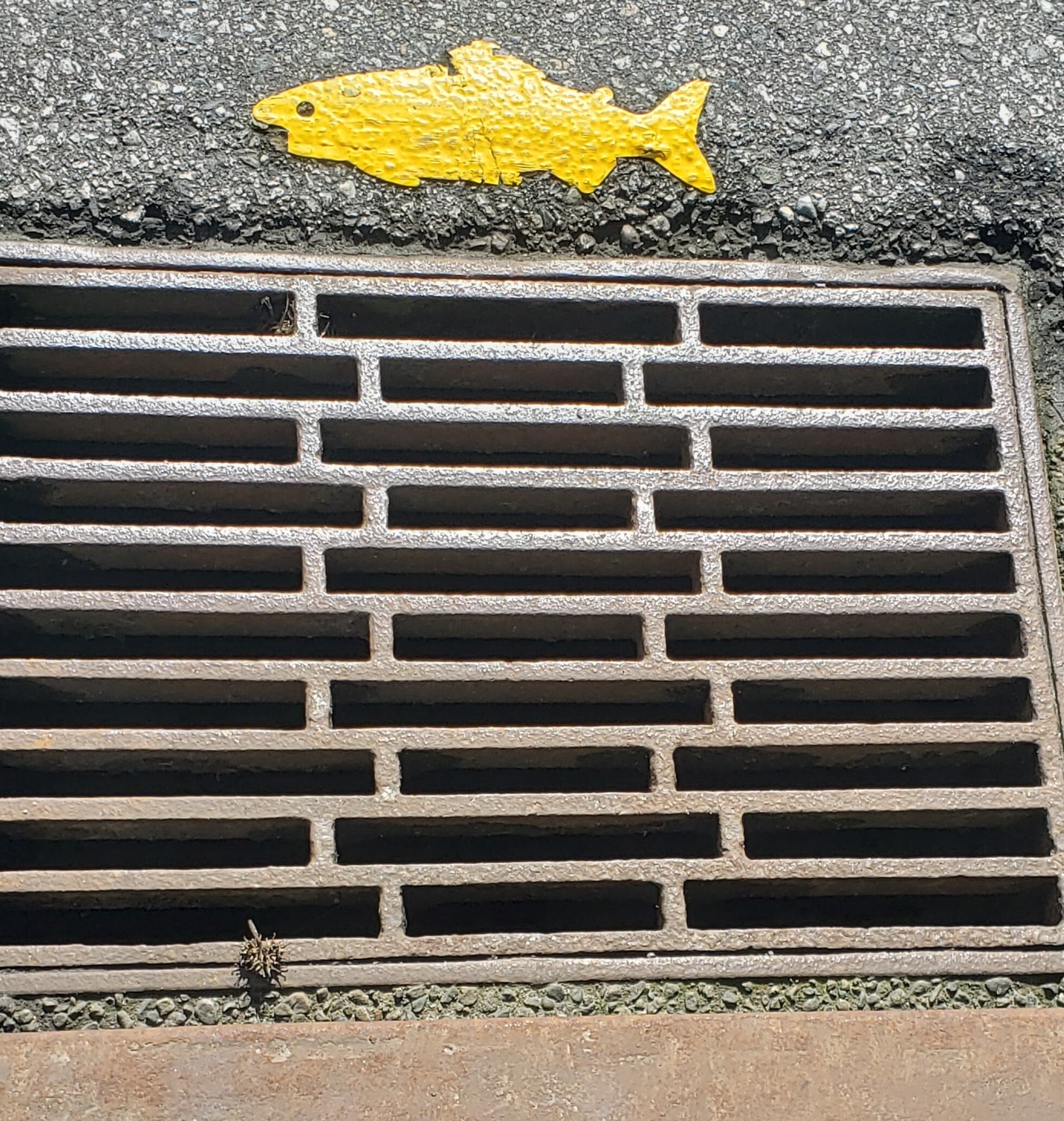
Discovering a preservative that can extend the life of rubber tires, brakes and hoses, translating into fewer of these products ending up in the landfill sounds like a good environmental solution to the problem of rubber degradation. Now, what if such an anti-degradant exists in your garden hose and in the brakes and tires on your car, but it’s so toxic that it kills salmon and has recently been linked to Parkinson’s disease in humans?
Often, the solution to one problem can absolutely ravage our safety in a completely different area. What I am talking about in this case is: 6PPD-quinone (6-phenyl-1,2,3,4-tetrahydroquinoline quinone or 6PPDQ) (CAS No. 2754428-18-5). Developed in the early 1960s and patented in 1965, 6PPDQ was widely used by the 1970s. It is not an additive exactly, but a transformation product that forms when 6PPD (CAS No. 793-24-8) reacts with ozone and oxygen. The idea behind it was to make tires last longer, which is a great environmental objective, however, 6PPDQ has been found to have a devastating effect on salmon, specifically coho and chinook salmon.