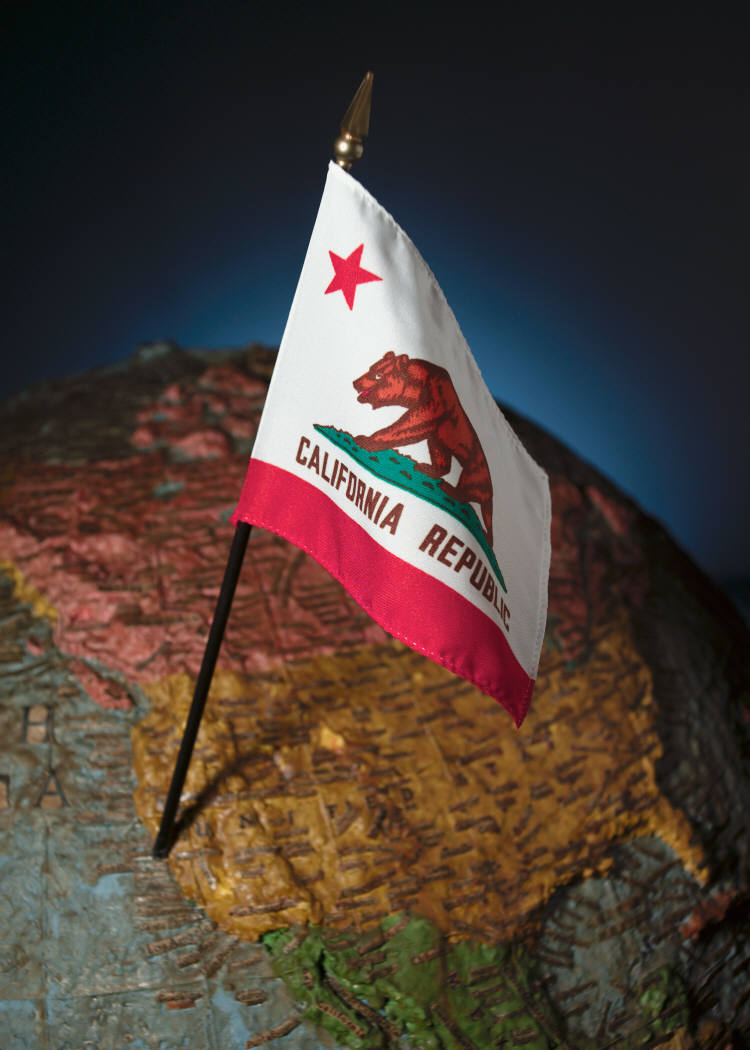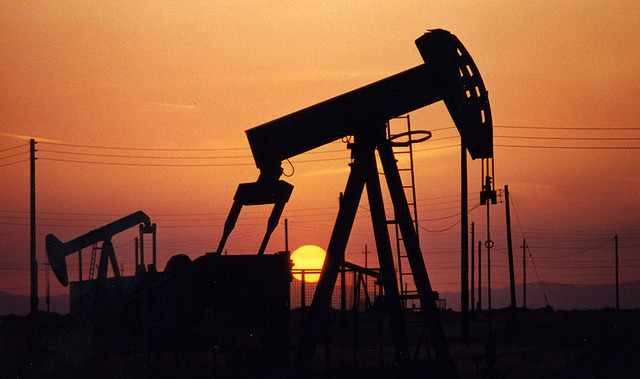

The greenhouse gas cap-and-trade program overseen by California’s Air Resources Board (ARB), which began earlier this year, not only allows for use of approved offsets to meet a portion of an entity’s emission reduction requirements. Entities will soon also be able to comply with the program by participating in its counterpart in the Canadian province of Quebec. By January 1, 2014, ARB’s cap-and-trade program will be linked with Quebec’s. A press release from ARB sums up key features of the linkage:
Audit, Compliance and Risk Blog
Tags: Health & Safety, Environmental risks, Environmental, EPA, Greenhouse Gas, ghg
Do you know what's in the chemical products you buy and use, and whether they're "safe?" Effective October 1, 2013, California regulations provide criteria and procedures for state-level identification and listing of likely-hazardous chemicals of concern. Manufacturers and importers will be required to evaluate chemicals of concern in consumer products, their potential alternatives, and how best to limit exposure or reduce hazards. Assemblers and retailers will have related responsibilities. Although these requirements apply directly only within California, any reviews and reformulations are likely to affect global production and distribution decisions.
Tags: Health & Safety, California Legislation, Environmental, EHS, EPA, Hazcom
Tags: SEC, Accounting & Tax, Lease Accounting, Audit Standards, Accountants
Tags: Business & Legal, Environmental risks, Environmental, Greenhouse Gas, ghg, Oil & Gas
Directors' & Officers' Liability: Delaware's "Entire Fairness" Test
Posted by Jon Elliott on Mon, Sep 09, 2013
Directors and officers owe formal duties to their corporations and shareholders, commonly called “fiduciary duties” from the Latin root words for “trust.” These duties developed over centuries of common law, and now appear in state corporation codes. Most interpretations of these duties and how to meet them actually appear in court decisions, arising in cases where aggrieved shareholders sue claiming that a company’s directors and/or officers have breached one or more of these duties.
Tags: Corporate Governance, Business & Legal, SEC, SOX
New Alberta Energy Regulator to Streamline Regulatory Process
Posted by STP Editorial Team on Wed, Sep 04, 2013
Tags: Business & Legal, Environmental, Oil & Gas, Canadian
Motor Carrier Registration Systems to be Upgraded and Web-Based
Posted by Jon Elliott on Fri, Aug 30, 2013
Last week the Federal Motor Carrier Safety Administration (FMCSA) published major changes in the registration requirements it imposes on “motor carriers” that use roads and highways to transport materials—including hazardous materials. Over the next two years, these changes will consolidate four separate registration systems into a new web-based Unified Registration System (URS), designed to cover every domestic entity subject to FMCSA authority. Most elements of the new regulations will take effect on October 23, 2015, to allow FMCSA to develop additional URS features and to conduct several related rulemakings, and to allow regulated entities to prepare for the changes in compliance requirements.
Tags: Health & Safety, Environmental risks, Environmental, Hazcom, Transportation
Significant New Auditing Standards—Part 2, Tenure/Other Information
Posted by Ron Pippin on Wed, Aug 28, 2013
This is the second of a two-part discussion on the August 13, 2013, the Public Company Accounting Oversight Board (PCAOB) proposal that would result in two new auditing standards. In the first article, I discussed the proposed concept of “critical audit matters” or CAMs. In this article, I discuss the proposed requirements to disclose how long the auditor has been auditing the company and to provide some assurance on “other information” that a registrant must file in an annual filing with the Securities and Exchange Commission (SEC). I conclude this article with some summary thoughts.
Tags: Corporate Governance, Business & Legal, SEC, Accounting & Tax, Audit Standards, Accountants
OSHA Expands Exemption for Digger Derricks Used in Construction Work
On May 29, the Occupational Safety and Health Administration (OSHA) issued a final rule that revises the regulations for cranes and derricks used in construction. These amendments expand the digger-derrick exemption to include all digger derricks used in construction work subject to 29 CFR1926 subpart V, Power Transmission and Distribution. A digger derrick (also called a radial boom derrick) is a specialized type of equipment designed to install utility poles. This revision removes from coverage under 29 CFR 1926 subpart CC certain types of non-pole digger-derrick work described by Edison Electrical Institute. OSHA also made several minor clarifications to the text of the exemption.
Tags: Corporate Governance, Employer Best Practices, Health & Safety, OSHA, Employee Rights, Training, EHS
Significant New Auditing Standards—Part 1, Critical Audit Matters
Posted by Ron Pippin on Fri, Aug 23, 2013
On August 13, 2013, the Public Company Accounting Oversight Board (PCAOB) issued a lengthy, 294-page proposal that would create two new auditing standards and amend several existing rules. If finalized, it will likely increase the work load of auditors. Presumably, the PCAOB proposed these rules, not to “help” the pocketbooks of auditors but rather to provide more useful information to investors. Much of this proposal resulted from feedback the PCAOB received on its June 21, 2011, “concept release” on possible changes to the auditor’s reporting model. The PCAOB has now answered my question from a prior blog article, “Where Is the Regulator of Auditors of Public Companies?"
Tags: Corporate Governance, Business & Legal, SEC, Accounting & Tax, Audit Standards, Accountants