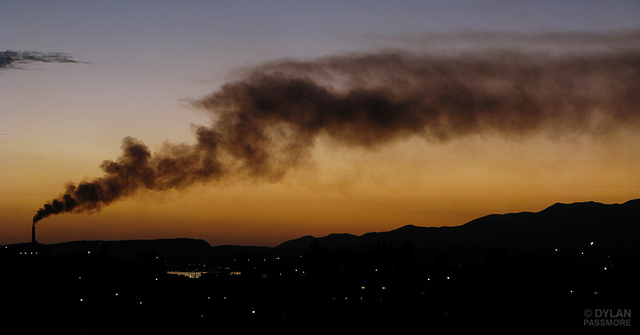
The Clean Air Act (CAA) requires the Environmental Protection Agency (EPA) to create a list of air pollutants based on emissions that cause or contribute to air pollution that may reasonably be anticipated to endanger public health or welfare. EPA also sets air quality criteria for acceptable concentrations in ambient air, referred to as National Ambient Air Quality Standards (NAAQS).
Read More
Tags:
Environmental risks,
Environmental,
EPA,
Greenhouse Gas,
ghg,
climate change
Could a Christmas tree find a second job? Yes, as it matter of fact it can. Every year in late December, early January and, in some cases, as late as February, certain researchers, environmental groups and wildlife agencies in North America begin sinking Christmas trees in lakes and ocean waters in the hopes of creating habitat for various types of fish.
Read More
Tags:
Corporate Governance,
Business & Legal,
Environmental,
corporate social responsibility
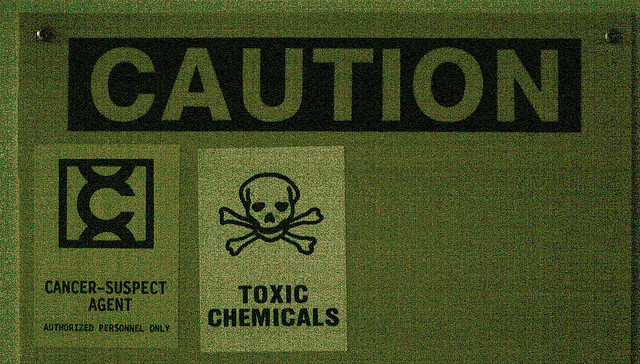
Our communities have the right to know when they are at risk of exposure to dangerous substances from accidental releases such as, but not limited to, chlorine, ammonia, hydrochloric acid, and sulfur dioxide. The US Environmental Protection Agency (EPA) agrees. In 1986 EPA created the Emergency Planning and Community Right-to-Know Act (EPCRA) to help communities plan for just such emergencies. EPCRA requires that federal, state, and local governments, Indian tribes, and industries be prepared for hazardous chemical emergencies. It also requires facilities to follow all recordkeeping requirements and report the storage, use, and release of hazardous chemicals to federal, state, and local governments.
Read More
Tags:
Corporate Governance,
Business & Legal,
Employer Best Practices,
Health & Safety,
Employee Rights,
Environmental risks,
Environmental,
EHS,
EPA,
Hazcom
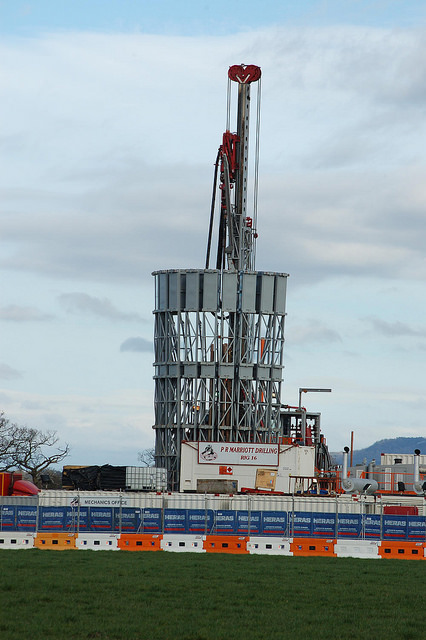
Many readers will know that political and legal regulatory developments have lagged the technical developments in hydraulic fracturing and other enhanced oil and gas recovery techniques – “fracking.” Some jurisdictions focus on the jobs and taxes that result from resource extraction, while others focus on the potential environmental hazards. As 2015 begins, we find California and New York – which typically agree on significant environmental policy questions – adopting opposite responses.
Read More
Tags:
Business & Legal,
Environmental risks,
EPA,
ghg,
fracking,
hydraulic fracking
The Occupational Safety and Health Administration (OSHA) has updated its recordkeeping rule to expand the list of severe injuries (including amputations) that all employers must report. An increase in good reporting and recordkeeping is a best management practice and an essential part of helping employers ensure and maintain the safest working environments for their employees.
Read More
Tags:
Corporate Governance,
Business & Legal,
Employer Best Practices,
Health & Safety,
OSHA,
Employee Rights,
Disability benefits
Within the U.S., most chemical safety requirements are imposed by the Occupational Safety and Health Administration OSHA) and the Environmental Protection Agency (EPA). For example, OSHA (or delegated state agencies) administers a Process Safety Management (PSM) Standard, while EPA (or delegated state agencies) administers the Accidental Release Prevention (ARP) regulation. In addition to these sets of regulators, however, Congress has created a national agency to conduct independent investigations of major chemical accidents, and to issue accident-specific findings and specific or general recommendations for improved chemical handling and regulation. This agency’s formal name is the Chemical Safety and Hazard Investigation Board—which usually refers to itself as the Chemical Safety Board or CSB.
Read More
Tags:
Corporate Governance,
Business & Legal,
Health & Safety,
OSHA,
Environmental risks,
Environmental,
EPA,
Hazcom
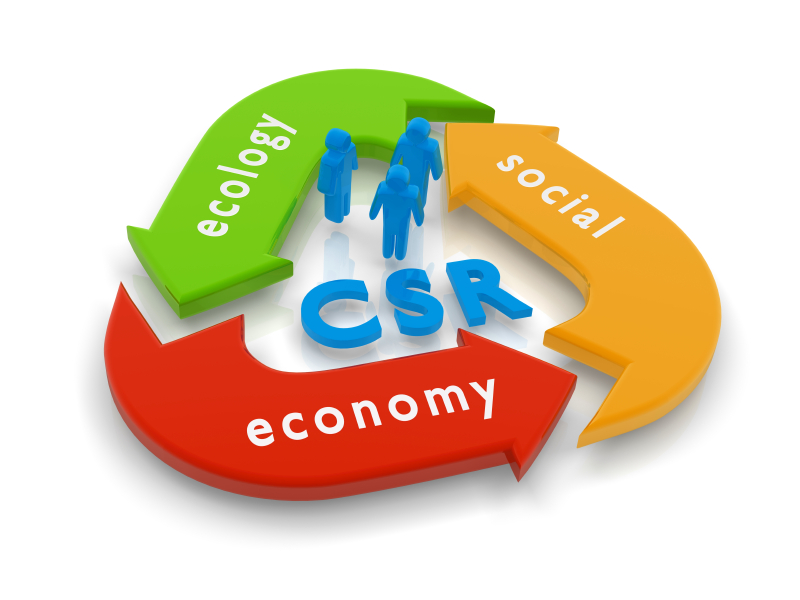
Twelve years ago, a client asked a financial advisor at a large investment firm for advice on “socially responsible investments.” The advisor said that they didn’t offer much in that field, because there was no client demand. How things have changed! Now, large investment firms as well as local credit unions and even small, family-owned businesses are all anxious to demonstrate that their business is “socially responsible,” “green,” or “gives back to the community”—all values reflected in the concept of Corporate Social Responsibility (CSR). More than feel-good slogans, these terms represent initiatives that offer concrete benefits to both a company and its stakeholders, including customers and the wider community.
Read More
Tags:
Corporate Governance,
Business & Legal,
Environmental,
csr,
corporate social responsibility
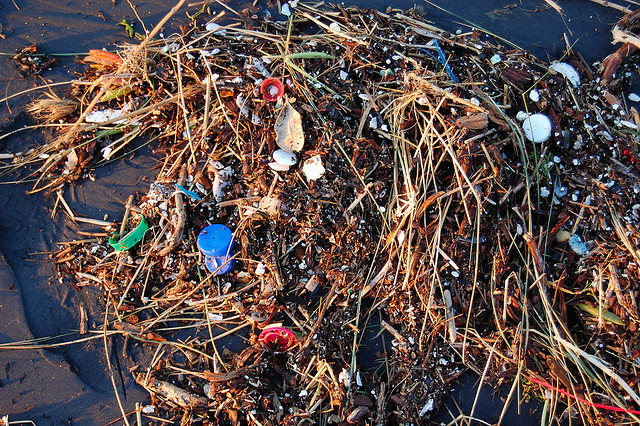
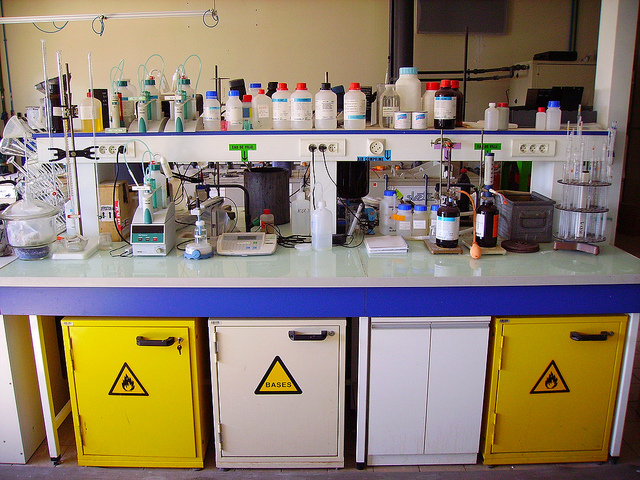
Federal and state laws govern “hazardous wastes”—the federal law is commonly called RCRA, after the Resource Conservation and Recovery Act of 1976. However, RCRA itself was enacted as an expansion of the prior Solid Waste Disposal Act of 1965, and requirements for both solid and hazardous wastes have been revised many times in recent decades. The US Environmental Protection Agency (EPA) administers these requirements nationally, delegating many provisions to individual states that qualify for authorization to assume regulatory roles.
Read More
Tags:
Business & Legal,
Health & Safety,
Environmental risks,
Environmental,
EHS,
Hazcom
Despite the pervasive Internet slogan that states, “Information wants to be free,” legal protection for copyrighted works online is thriving, even though the Internet may facilitate copying and access to information. Yet many people continue to misunderstand—or choose to ignore—copyright issues, especially in areas where recent technology is involved.
Read More
Tags:
Corporate Governance,
Business & Legal,
Internet,
Intellectual Property